Japanese Food Watercolor Clipart: A Handmade Crafter’s Real-World Review
As a handmade business owner and craft designer, I’m always on the lookout for quality graphic design assets that can elevate my product designs. Recently, I got my hands on the Japanese Food Watercolor Clipart, and I’ve been putting it through the paces in my real crafting workflow—from Cricut projects to printable designs and custom gift items. Here’s my honest take on how this illustration set holds up in a real handmade business setting.
First Impressions: Soft, Elegant, and Perfectly Themed
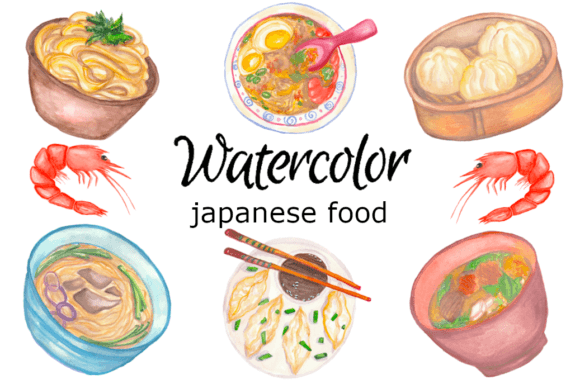
The first thing I noticed about the Japanese Food Watercolor Clipart was its soft, hand-painted aesthetic. The illustrations feature a variety of traditional Japanese dishes like sushi, ramen, matcha desserts, and bento boxes, all rendered in a gentle watercolor style. It has a calm, slightly whimsical feel—somewhere between elegant and approachable. This makes it a great fit for handmade products targeting customers who appreciate minimalist design, Japanese culture, or cozy lifestyle branding.
It’s not overly bold or playful, so it won’t appeal to every niche, but if you're designing for a more refined or feminine audience—think gift tags, planner stickers, or boutique-style apparel—this set can really resonate.
Real Crafting Use Cases: From Stickers to Tote Bags
Let’s talk about how this graphic design asset actually works in practice. I tested the Japanese Food Watercolor Clipart across a range of crafting platforms and tools:
- Cricut Projects: SVG files imported cleanly into Design Space. The outlines were well-defined for cutting, though I’d recommend using them at medium to large sizes (1.5” and up) for best detail retention.
- Sticker Design: PNG versions with transparent backgrounds worked well for printable stickers. I resized them for planner stickers and gift tags—just be cautious with the finer details like chopsticks or noodle strands.
- T-shirt & Mug Design: The watercolor textures held up nicely when printed on mugs and shirts via sublimation. I made a few test prints and found that darker mugs dulled the colors slightly, so consider light-colored surfaces for maximum vibrancy.
- Printable Wall Art: I paired a few of the illustrations with minimalist quotes and created a small seasonal printable bundle. The soft tones blended well with pastel backgrounds and serif fonts.
- Tote Bags & Tumbler Wraps: Larger compositions like the sushi platter and matcha latte illustrations scaled beautifully for tote bags and tumbler wraps. The PNG files maintained clarity even when stretched across a 10” canvas.
Where It Shines: Seasonal & Custom Gift Products
This clipart set really comes into its own when used for seasonal crafting or curated gift collections. I used it to create a “Japanese Foodie” themed gift set featuring:
- Custom matcha-themed mugs
- Bento box stickers for planner enthusiasts
- Mini gift tags for handmade soaps
- Printable thank-you cards for Etsy customers
It also worked well as a decorative accent in product mockups and branding materials. I used one of the ramen illustrations in a digital product bundle preview, and it gave the design a warm, artisanal feel.
Technical Notes: What Crafters Should Test Before Selling
Before using this asset in customer orders or Etsy listings, here are a few practical checks I recommend:
- SVG Line Cleanliness: Import into your design software and check for stray or overlapping lines that might cause cutting errors.
- PNG Transparency: Preview the transparent background PNGs on both light and dark surfaces to ensure they blend well.
- Sublimation Resolution: Print a test image on sublimation paper to confirm the watercolor textures don’t pixelate at 300dpi.
- Color Consistency: Test print on both white and colored items to see how the hues shift—especially with lighter watercolor washes.
- Mockup Placement: Use a real product mockup to visualize how the illustration looks on mugs, shirts, or tote bags before finalizing your design.
- Commercial License: Double-check the license terms—especially if you’re using the asset for customer orders or print-on-demand services.
Pairing with Fonts: Stylish Yet Readable
To complement the soft watercolor style, I paired the Japanese Food Watercolor Clipart with a few different fonts:
- Serif Fonts: Great for elegant gift tags and printable wall art.
- Script Fonts: Added a hand-drawn, personal touch to thank-you cards and planner stickers.
- Sans Serif: Kept the design clean and modern for digital product titles and Etsy listing banners.
It worked best with minimalist font styles that didn’t compete with the watercolor textures. Avoid overly decorative or bold fonts unless you’re going for a contrast-heavy look.
Where to Use with Caution
While this set is beautiful, there are a few crafting scenarios where you’ll want to be careful:
- Very Small Sticker Sizes: Fine details like chopsticks or noodles may disappear at 0.5” or smaller.
- Layered Vinyl Projects: The soft edges and layered colors don’t always translate well to layered vinyl cuts.
- Low-Contrast Backgrounds: The pale washes can get lost on textured or patterned surfaces.
- Crowded Layouts: In complex compositions, the illustrations can become visually busy and hard to read.
Final Thoughts: A Versatile Addition to Your Design Assets
Overall, the Japanese Food Watercolor Clipart is a thoughtful and well-crafted graphic design asset that works well for a variety of handmade and digital product creators. Whether you’re an Etsy seller, Cricut enthusiast, or printable product designer, this set can help you create themed collections that feel personal and professional.
It’s especially valuable if you’re building a seasonal crafting bundle, launching a Japanese-inspired product line, or looking for a soft, elegant illustration style that appeals to a niche audience. Just remember to test the files in your real crafting workflow and pair them with the right fonts and product mockups for the best results.