Watercolor Homemade Apothecary Clipart: A Designer’s Real-World Review
First Impressions: Soft, Whimsical, and Perfectly Curated
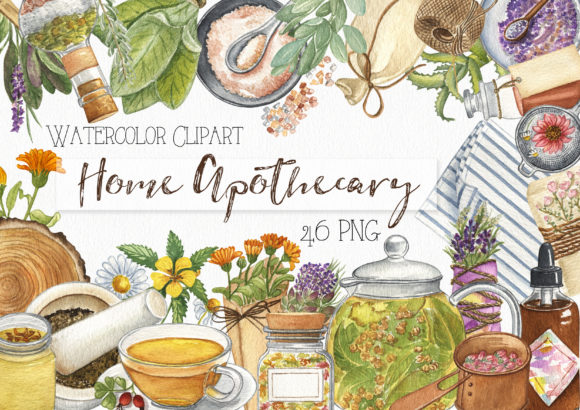
Opening up the Watercolor Homemade Apothecary Clipart collection feels like stepping into a cozy herbal shop tucked away in a quiet village. The designs are soft, painterly, and full of organic charm. The watercolor textures give it that hand-painted look, which is huge right now in the handmade and artisanal markets. It’s the kind of design that feels personal, a bit nostalgic, and totally approachable—ideal for small batch products or custom gifts.
From the layout to the detail level, this set leans into a botanical, slightly vintage aesthetic. There’s a mix of herbs, bottles, jars, and handwritten-style labels that work together cohesively. It’s not overly detailed, which is a plus when you’re thinking about translating this into machine embroidery later.
Real-Life Use: From Concept to Stitched Reality
I recently tested this clipart set while designing a custom embroidered tote bag for a local herbalist. I used one of the larger herb sprigs as a central motif and paired it with a simple monogram. The result? A charming, soft look that felt handmade without looking amateurish. The watercolor texture translated well into embroidery—especially with a mix of satin and fill stitches to mimic the brush strokes.
It also held up nicely when resized for a baby onesie. The softer edges and lack of harsh lines made it feel gentle and appropriate for a tiny garment. I’d definitely recommend it for personalized baby items, holiday gifts, or even custom aprons for a boutique kitchenware line.
Commercial Appeal: Etsy, Craft Fairs, and Small Shop Potential
If you're an Etsy seller or run a craft business, this design set has solid commercial potential. The apothecary theme is trendy but timeless enough to sell across seasons. I can see it being used for botanical-themed wedding favors, personalized kitchen towels, or even caps for a wellness brand.
What’s nice is that it doesn’t scream “trendy” but still feels current. That’s a sweet spot for small shop owners who want to create recognizable, brand-consistent products without chasing every passing fad.
Where to Use with Care: Fabric, Fit, and Finer Details
This design isn’t one-size-fits-all. For example, I wouldn’t recommend it for stretchy fabric like jersey unless you’re using a lot of stabilizer. The soft edges and watercolor texture can blur or distort on unstable surfaces. Similarly, if you're stitching on dark fabric, test the thread color contrast first—those subtle tones might get lost.
Also, if you're working with small hoop sizes, some of the more intricate elements like tiny labels or bottle details may not stitch cleanly. I’d suggest simplifying or resizing if you’re working within tight embroidery space constraints.
Stitching Clarity: How It Holds Up Under Thread
Translating a watercolor illustration into a machine embroidery design is always a gamble. But this one surprised me with how well it maintained its visual personality. The key is to use a balanced stitch density—too dense and you lose the softness, too loose and you lose the shape.
I found that using a mix of fill stitch for the larger elements and satin stitch for outlines helped preserve the original look. It stitched cleanly on medium-weight cotton and linen, and held up well after a few washes—especially when paired with a tear-away stabilizer.
Design Versatility: From Sweatshirts to Holiday Decor
One of the biggest pluses of Watercolor Homemade Apothecary Clipart is how adaptable it is across different products. I’ve used it on:
- Sweatshirts – The soft texture looked great on fleece without feeling too busy
- Tea towels – Paired with a coordinating thread color, it gave a boutique-level finish
- Gift tags – Digitized as a small patch design, it added a handmade touch to holiday packaging
- Pillow covers – Worked beautifully as a center motif with a simple border
It’s also a good fit for digital product sellers who want to offer preview mockups. The watercolor style looks great in both printable mockups and digital product previews, helping buyers visualize the final look before purchase.
Practical Notes for Embroidery Designers
Before jumping into a big project or listing this in your shop, here are a few things I’d recommend checking:
- Test on scrap fabric – Always a good idea, but especially with watercolor textures
- Review stitch density – You want enough coverage to define the shapes, but not so much that it stiffens the fabric
- Check small details – Especially if you’re planning to resize down
- Confirm licensing – Make sure it’s cleared for commercial use if you're selling finished items or digital files
- Use the right stabilizer – Tear-away works best for most applications
Also, try a black and white mockup version to see how the design holds up without color. It helps you judge contrast and clarity, especially for dark fabric backgrounds.
Final Thoughts: A Thoughtful Addition to Your Design Toolkit
Overall, Watercolor Homemade Apothecary Clipart is a solid choice for designers and makers who want to add a soft, artistic touch to their work. It brings a level of professionalism and brand consistency to handmade products without being too complex to stitch.
Whether you're creating custom apparel, holiday gifts, or small shop merchandise, this design set offers flexibility, charm, and enough visual appeal to keep your customers coming back. Just be mindful of the fabric and size you're working with, and always test before committing to a final product.