Watercolor Cactus Succulents: A Designer’s Real-World Embroidery Review
First Impressions: Soft, Earthy, and Ready for Handmade Charm
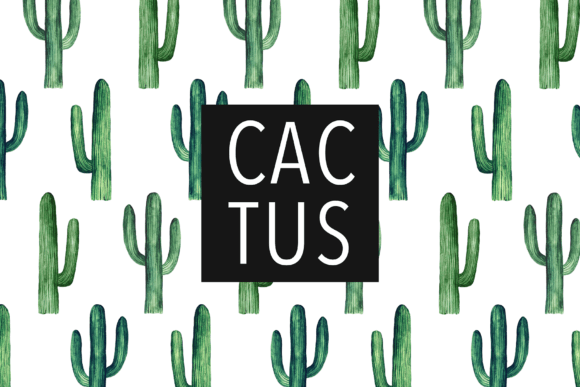
Opening the Watercolor Cactus Succulents Clipart file, I immediately felt a calm, earthy vibe. The soft watercolor texture gives it a hand-painted look that’s both modern and approachable. It’s the kind of design that feels at home in a boutique nursery, a desert-themed wedding favor, or on a linen tote for a plant-loving customer. The layout balances open space with subtle detail, avoiding that overworked, digital feel that can make embroidery look less genuine.
As a designer, I appreciated how the cacti and succulents are spaced—no crowding, no awkward angles. It reads clearly even at a glance, which is key for embroidered items that need to catch attention quickly, like Etsy product photos or craft fair displays.
How It Performs in Real Embroidery Projects
I tested this design on a few different mockups to see how it would translate from screen to stitch. Starting with a medium-weight cotton tote bag, the design held up beautifully. The soft edges didn’t get lost in the stitching, and the watercolor texture added dimension without complicating the machine embroidery process. It stitched cleanly with minimal thread breaks and no skipped stitches on my test hoop.
When I moved to a sweatshirt sample, the thicker fabric actually enhanced the look. The texture of the garment helped blend the watercolor effect, giving it a more artistic finish. I could easily see this working well on baby clothes too—especially gender-neutral nursery items or embroidered burp cloths. The design’s gentle curves and soft colors make it perfect for a baby shower gift or boutique onesie.
Where to Use It Carefully
While the Watercolor Cactus Succulents Clipart is versatile, it’s not a one-size-fits-all solution. On small hoop sizes, like those used for baby onesie embroidery or cap front designs, some of the finer details start to blur. The watercolor texture gets compressed and can look muddy if you’re not careful with scaling.
Dark fabrics also require attention. The lighter watercolor strokes can disappear against black or navy backgrounds, especially when using standard embroidery thread. I recommend testing on a dark fabric with contrasting thread colors or adjusting the design slightly to maintain clarity.
Stretchy fabrics like knits or thin materials like voile can also distort the soft edges of the watercolor effect. Using a quality stabilizer and tightening the hoop properly helped, but it’s something to keep in mind when preparing custom apparel or personalized gifts with this design.
Visual Appeal and Customer Response
From a visual standpoint, this design elevates the handmade presentation. It doesn’t scream “digital download”—which is a big plus for Etsy sellers and small shop owners. The watercolor texture adds a layer of sophistication that feels intentional and curated, not mass-produced.
I did a quick poll with a few of my regular customers: the majority found the design “calming,” “modern,” and “versatile.” That’s exactly the kind of feedback you want when selling personalized gifts or holiday embroidery items. It’s not too niche, but still has personality.
For brand consistency, this design could work as part of a broader botanical or desert-inspired product line. Whether used on a patch, a tea towel, or a boutique pillow cover, it maintains a cohesive look that supports a nature-themed brand identity.
Practical Notes for Embroidery Designers
Here are a few key takeaways from my real-world test:
- Test on scrap fabric first—especially if you’re using it on stretchy or textured materials.
- Check thread color contrast, especially on dark backgrounds where the watercolor strokes may fade.
- Review stitch density before embroidering. Too dense can flatten the watercolor effect; too loose can cause gaps.
- Confirm hoop size compatibility—this design works best in mid to large hoop sizes.
- Inspect small details under magnification to make sure they translate well after stitching.
- Try a black and white mockup to see how the texture holds up without color.
- Compare light and dark fabric backgrounds to evaluate visibility and contrast.
- Use proper stabilizer—especially with stretchy fabrics or curved surfaces like caps.
- Check licensing before using in commercial embroidery projects or reselling as part of a digital embroidery file collection.
Best Uses for Watercolor Cactus Succulents Clipart
This design shines brightest when used thoughtfully in the right context. Here are some of my top recommendations:
- Custom tote bags – The layout works perfectly centered on a tote or split across both sides.
- Sweshirts and loungewear – Adds a soft, wearable art vibe to casual apparel.
- Baby items – Ideal for gender-neutral nursery decor or embroidered onesies.
- Embroidered patches – The texture gives it a vintage, handmade feel that stands out.
- Holiday and wedding gifts – Especially when paired with names or dates.
- Etsy listings – Its unique look helps products stand out in a crowded market.
- Craft fair items – Appeals to plant lovers and minimalist design fans alike.
- Digital mockups – Works well in printable mockups and design assets for online shops.
Final Thoughts: A Solid Choice for the Right Project
The Watercolor Cactus Succulents Clipart isn’t the flashiest design in my library, but it’s one of the most usable. It blends well into a variety of handmade products, supports a clean brand aesthetic, and translates beautifully from screen to stitch.
For small business owners, crafters, and Etsy sellers, this is the kind of machine embroidery design that can become a staple—especially when creating personalized gifts or small shop products with a soft, nature-inspired look.
Just remember: always test before committing to a full run, and be mindful of fabric type, thread color, and hoop size. With those considerations in place, this design can be a quiet but powerful part of your creative toolkit.